Scroll through social media for five minutes and you will find someone taping their mouth shut, sipping a "sleepy girl mocktail" or wearing three different gadgets to bed. Welcome to sleepmaxxing: the trend of optimising every possible part of your sleep, from the temperature of your room to the minutes you spend in deep sleep.
The idea behind it is sound. Sleep really does matter for mood, focus, appetite and long-term health, and most of us could do with more of it. The trouble is that the trend mixes genuinely useful habits with products that have thin evidence, and a few that can do harm.
So this guide sorts the hacks into three piles: what has strong evidence, what is maybe worth a try, and what to skip or approach with care. You will also get a simple evening routine, a short "do this first" list, and clear signs it is time to talk to a doctor.
What Is Sleepmaxxing?
Sleepmaxxing is a loose, internet-born label for treating sleep as something you can engineer and "max out". It usually involves a stack of routines, supplements, devices and tracker scores, often shared with before-and-after claims.
Not all of it is nonsense. Much of it is a rebranding of what sleep specialists call sleep hygiene. The problem starts when the list gets long, expensive and stressful. Most adults need roughly seven or more hours a night, and the free basics below do the heavy lifting.
Strong Evidence: Start Here
These habits are recommended by health bodies such as the NHS and are backed by solid research on how the body clock and sleep pressure work.
A Consistent Wake Time
Your body clock likes a rhythm. Getting up at about the same time every day, including weekends, helps your brain learn when to feel sleepy at night. The NHS advises going to bed and getting up at similar times each day, including days off.
If your schedule has drifted badly, our guide on how to fix your sleep schedule walks through shifting it gently rather than all at once.
Morning Light
Bright light early in the day is one of the main signals that sets your body clock. Getting outside within an hour or so of waking, even on a cloudy day, helps. Outdoor light is far brighter than indoor lighting, even on a grey day.
Ten to thirty minutes is a common suggestion. A short walk counts.
A Cool, Dark, Quiet Bedroom
Your core body temperature naturally dips as you fall asleep, and a cooler room supports that. The NHS recommends keeping the bedroom cool, and many sleep organisations suggest somewhere around 16 to 18°C, though comfort matters more than hitting an exact number.
Darkness and quiet help too. Blackout curtains, an eye mask or earplugs can all make a difference.
A Caffeine Cut-Off
Caffeine blocks the chemical signal that builds up sleepiness, and it lingers for hours. A well-known 2013 study in the Journal of Clinical Sleep Medicine found that a dose of caffeine taken six hours before bed still reduced sleep time noticeably.
A practical approach is to stop caffeine by early afternoon, then adjust if you are sensitive. Tea, cola and energy drinks contain it too. The NHS also suggests avoiding alcohol and nicotine in the hour or two before bed, and large meals close to bedtime. Alcohol may make you drowsy, but it tends to fragment sleep later in the night.
A Wind-Down Routine
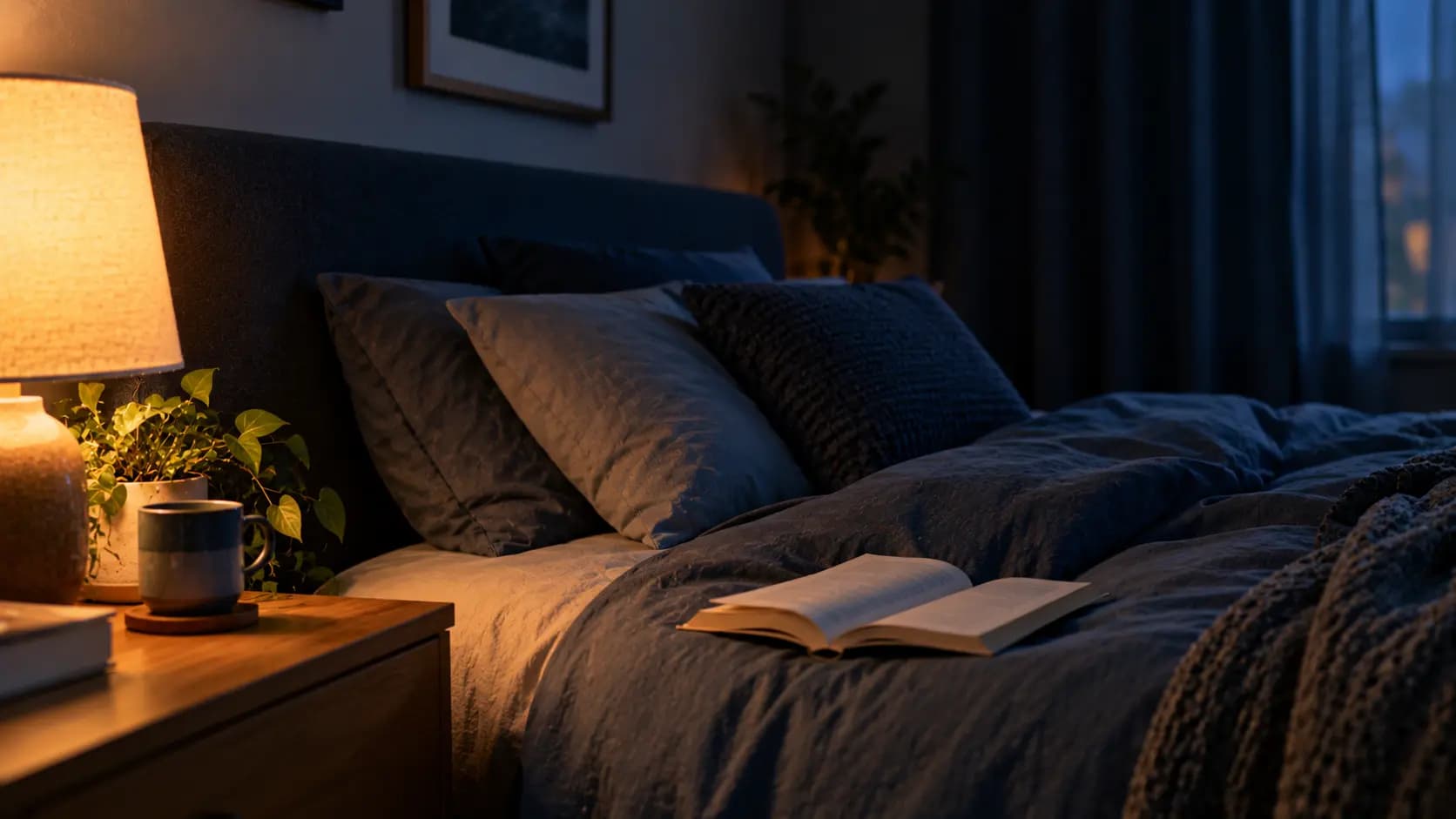
Your brain does not have a dimmer switch, so give it a runway. Thirty to sixty minutes of calm, repeatable activities tells your body sleep is coming. The NHS suggests avoiding phones, tablets and computers for an hour before bed.
Breathing practices can help you settle. If you are curious, see how 4-7-8 breathing compares with box breathing. A short 5-minute meditation before bed is another gentle option for beginners.
If your phone is the thing keeping you up, it is worth learning how to stop doomscrolling in bed. Charging it across the room is a simple start.
Maybe: Limited or Mixed Evidence
These are not harmful for most healthy people, but the research is small, mixed or early. Treat them as experiments, not fixes.
Magnesium
Magnesium is popular as a "relaxing mineral", and some small studies suggest a modest benefit, mostly in older adults or people who are low in it. Overall the evidence is weak. If you try it, stay within the label dose, and check with a pharmacist first if you have kidney problems or take regular medication. For types, doses and safety, see our full guide to magnesium for sleep.
Glycine
Glycine is an amino acid. A few small trials, using around 3 grams before bed, found people reported feeling more rested the next day. These studies were short and small, so it is too early to call it proven.
Weighted Blankets
Some people find the gentle pressure calming. Research is mixed, and the better results have tended to come from specific groups, such as people with certain mental health conditions, rather than the general public. If you like the feel, it is a reasonable try for a healthy adult. Avoid them for young children or anyone who cannot easily remove one themselves.
Sleep Trackers
Wearables and rings can be useful for spotting patterns, such as an irregular bedtime. But they are only moderately good at telling the stages of sleep apart, and a formal sleep study in a clinic remains the gold standard. Treat the numbers as a rough guide, not a verdict.
Skip It or Be Careful
Mouth Taping
Taping your mouth shut is one of the most shared hacks, and the evidence does not support it. A 2025 review of the research reported by HealthDay found little benefit and real risks. The worries include irritated skin, trouble breathing if your nose is blocked, and the chance of masking a sleep problem that needs checking.
If you snore or wake with a dry mouth, the sensible step is to find out why, not to tape it shut.
High-Dose Supplements
More is not better. Mega-doses of magnesium, herbal blends and "sleep stacks" with many ingredients can cause side effects and interact with medicines. Check with a pharmacist or doctor before combining anything, and be extra cautious if you are pregnant, breastfeeding or on prescribed medicine.
Melatonin Overuse
Melatonin is a hormone that signals night-time to your body. It can help with jet lag and some specific conditions, but it is not a general-purpose sedative. In the UK it is a prescription-only medicine. In other countries, such as the United States, it is sold as a supplement, and testing has found that the amount in products can differ widely from what the label says.
Higher doses do not necessarily work better and can cause daytime grogginess, headaches or vivid dreams.
Obsessing Over Tracker Scores
Some people develop a habit of chasing a perfect sleep score. The term for this is orthosomnia, an unofficial label for an unhealthy preoccupation with getting ideal sleep data. It is not a recognised medical diagnosis, but the pattern is real: worry about the numbers, spend longer in bed to boost them, and sleep gets worse.
If you notice that your mood each morning depends on your score, or you feel anxious about bedtime, take a break from the device. How you feel in the day is a better measure than a graph.
A Simple Evening Routine
You do not need all of this. Pick the rows that suit your life and repeat them.
Time before bed | What to do | Why |
Afternoon | Last caffeine by early afternoon | Gives it time to wear off |
1 hour | Dim lights, put the phone away | Signals the body clock that night is here |
15 minutes | Read a paper book or stretch gently | Calms the mind and body |
Lights out | Cool, dark, quiet room | Supports falling and staying asleep |
Do This First
If you only change a few things, begin with these four:
1. Fix your wake time. Same time, seven days a week, as far as life allows.
2. Get outside early. Ten to thirty minutes of daylight after you wake.
3. Set your caffeine curfew. Nothing after early afternoon for two weeks, then see how you feel.
4. Build a 30-minute wind-down. Same few steps every night, phone out of reach.
Give it two to three weeks before judging.
How to Avoid Turning Sleep Into a Performance
Here is the irony of sleepmaxxing. Trying very hard to sleep tends to keep you awake. Effort and alertness go together, so the more pressure you put on a "perfect" night, the less likely it is to happen.
A few ways to keep it light:
- Aim for good enough. Everyone has bad nights. One poor night will not harm you.
- Limit your tools. One or two changes at a time, not twelve.
- Do not lie there frustrated. If you have been awake for around 20 minutes, get up, do something quiet in dim light and return when sleepy.
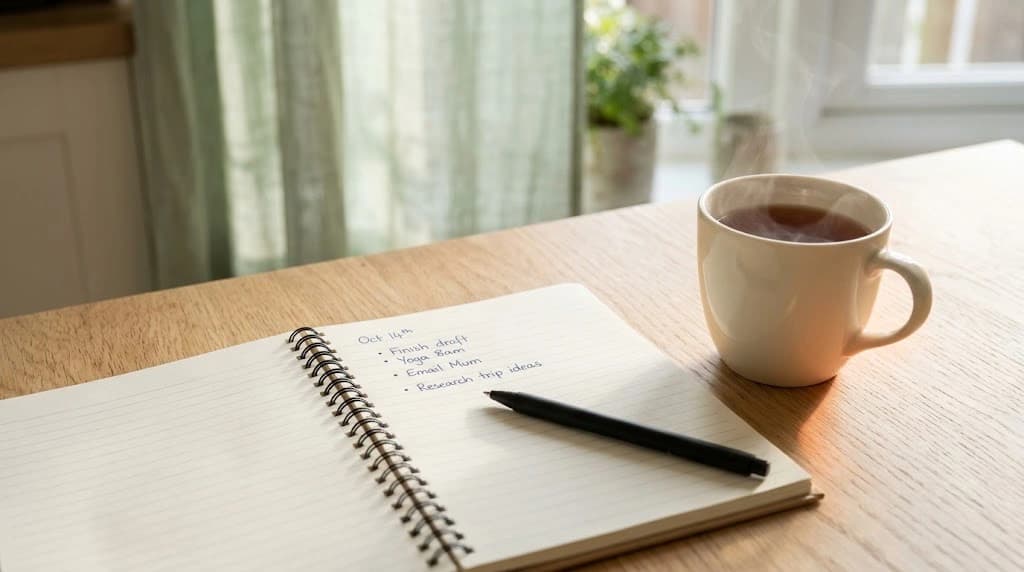
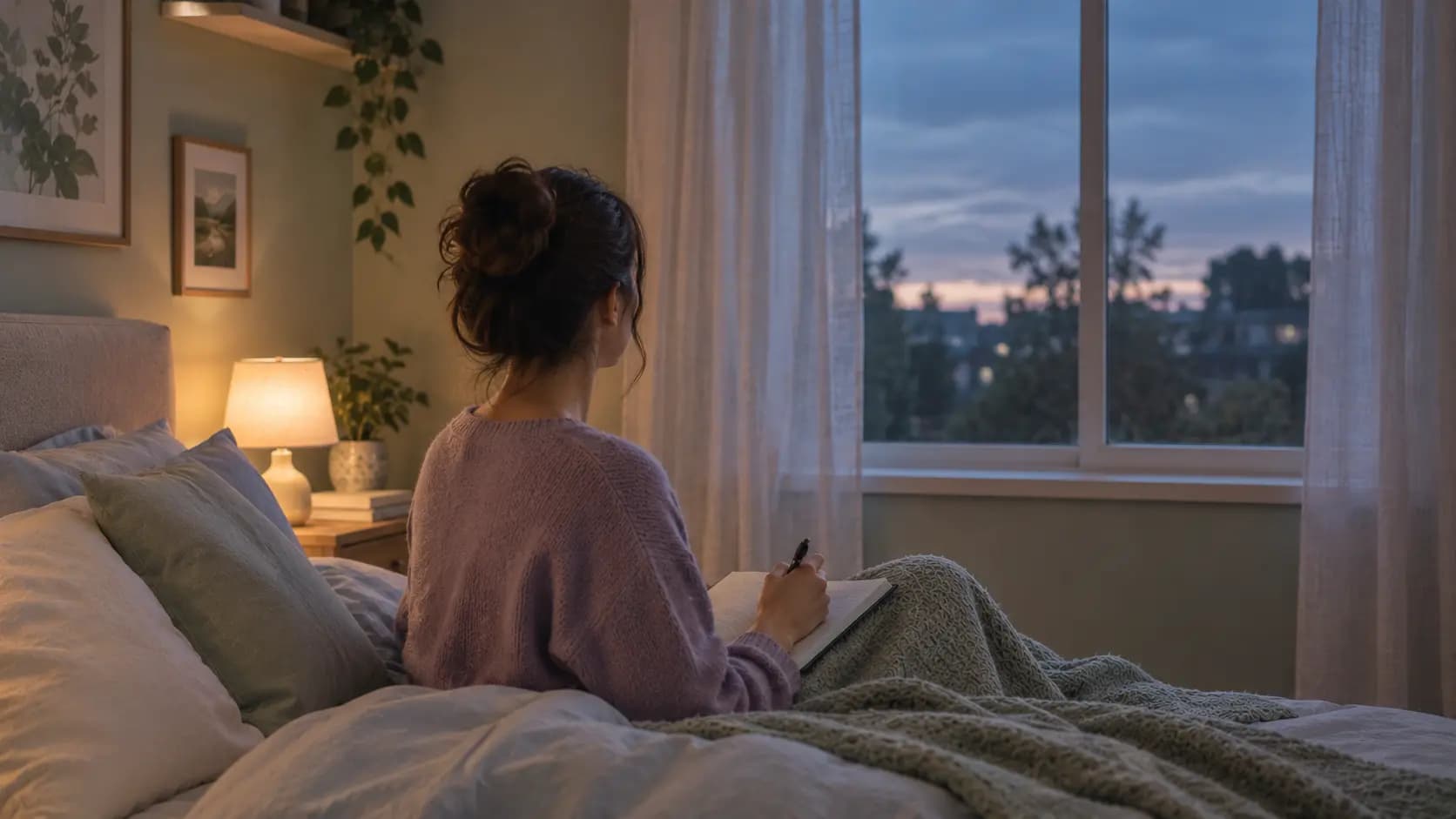
- Park your thoughts. If your mind races, write tomorrow's to-do list before bed. Our guide to overthinking at night has more ideas, and if anxious thoughts keep you awake, read our guide to anxiety at night.
When to See a Doctor
Lifestyle changes are not a substitute for medical care. Speak to a GP or doctor if:
- You have had trouble sleeping at least three nights a week for three months or more, which is commonly how chronic insomnia is defined.
- You snore loudly, gasp or choke at night, or someone notices you stop breathing. These can be signs of obstructive sleep apnoea.
- You wake unrefreshed, with morning headaches, or you feel very sleepy in the day, including while driving.
- Your sleep trouble comes with low mood, anxiety or persistent worry.
For long-term insomnia, the recommended first-line treatment is cognitive behavioural therapy for insomnia, often shortened to CBT-I. It is a structured programme, often available online, and it tends to help more durably than sleeping pills.
Frequently Asked Questions
What is sleepmaxxing?
Sleepmaxxing is a social media term for trying to optimise every part of your sleep using routines, gadgets and supplements. The helpful parts are basic sleep hygiene. The risky parts are extreme or unproven hacks.
Does sleepmaxxing actually work?
The basics do: a regular wake time, morning light, a cool dark room, a caffeine cut-off and a wind-down. Many of the extras have limited evidence.
Is mouth taping safe?
It is not recommended. A 2025 review found little benefit and real risks, and it is unsafe if your nose is blocked or you have breathing problems. See a doctor about snoring instead.
Are sleep trackers worth it?
They can show broad patterns, but they are only moderately accurate for sleep stages. If tracking makes you anxious or perfectionist, stop using it.
Is it safe to take melatonin every night?
Many people use it short term, but it is not meant as a nightly fix. In the UK you need a prescription. Speak to a doctor or pharmacist before regular use, especially for children.
Sleepmaxxing gets one thing right: sleep deserves attention. But the best returns come from the least glamorous habits. Wake at the same time, get daylight, keep your bedroom cool and dark, cut caffeine early and wind down properly.
Treat magnesium, glycine, weighted blankets and trackers as optional extras. Skip mouth taping, high-dose supplements and melatonin overuse, and do not let a score decide how you feel. If sleep problems persist or you snore heavily, ask a doctor.
This article is general information, not medical advice. If you have a health condition, are pregnant or take medicines, or your sleep problems continue, please speak to a doctor or qualified health professional.