Find out roughly how much protein to eat each day for your weight and activity level, and what that looks like spread across your meals.
This tool gives general information, not medical advice. Talk to a doctor or qualified professional about your personal needs.
Where the numbers come from
The calculator multiplies your body weight by a commonly used guideline range. It uses 0.8 grams per kilogram for people who are mostly sedentary, 1.0 to 1.4 for active adults, 1.4 to 2.0 for people building muscle with strength training, and 1.0 to 1.2 for older adults. These are general ranges, not a personal prescription, and the real figure for you depends on your health, diet and goals.
What this looks like in food
These amounts are approximate. They vary by brand, cut and how food is cooked.
| Food | Portion | Approximate protein |
|---|
| Egg | 1 large | 6 g |
| Greek yoghurt | 200 g | 18 to 22 g |
| Cooked lentils | 1 cup (about 200 g) | 18 g |
| Chicken breast, cooked | 100 g | 30 g |
| Firm tofu | 100 g | 8 to 15 g |
| Milk | 250 ml glass | 8 g |
Making your target easier to reach
- Include some protein at every meal. Splitting it across the day is easier than eating most of it at dinner.
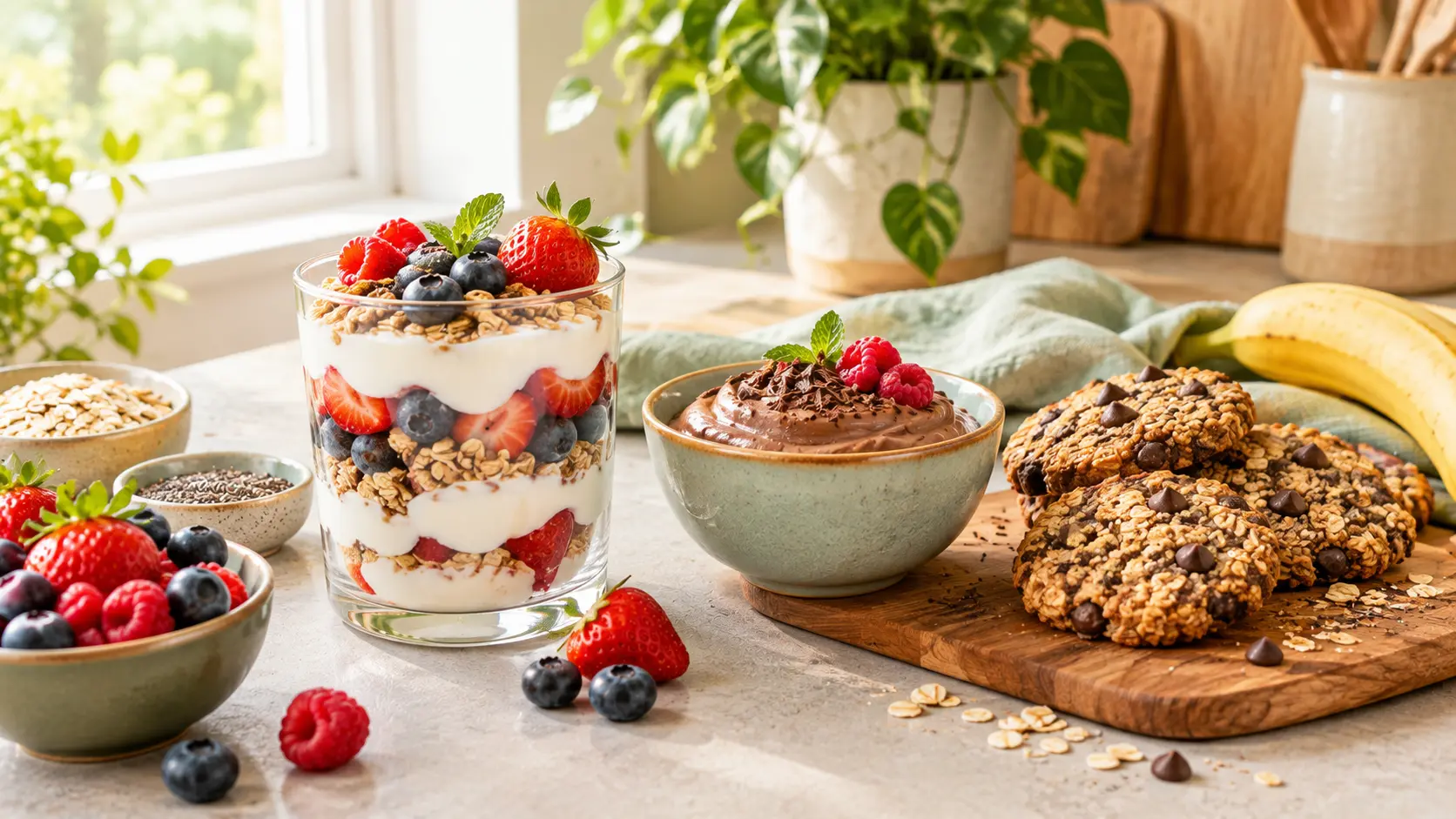
- Use protein-rich snacks and sweet treats. Our high protein dessert ideas are a simple way to add a little more.
- Pair protein with strength work. If you are starting out, our beginner strength plan shows how protein and training work together.
Who should check with a professional first
Ask a doctor or registered dietitian before raising your protein if you have kidney disease, are pregnant or breastfeeding, follow a medically supervised diet, or have a history of disordered eating. A higher intake is not appropriate for everyone.
Frequently Asked Questions
How much protein do I need a day?
A commonly used minimum for healthy adults is 0.8 grams per kilogram of body weight. Active people, people who lift weights and older adults are often advised to eat more. Use the ranges above as a guide, and ask a dietitian for advice that fits you.
Is more protein always better?
No. Past the ranges shown here, extra protein brings no clear benefit for most people, and very high intakes are not suitable for everyone. Food variety matters as much as the protein number.
Do I need protein powder?
No. Most people can reach their range with ordinary food such as eggs, dairy, beans, lentils, fish, poultry and tofu. Powder is a convenience, not a requirement.
Can I get enough protein from plants?
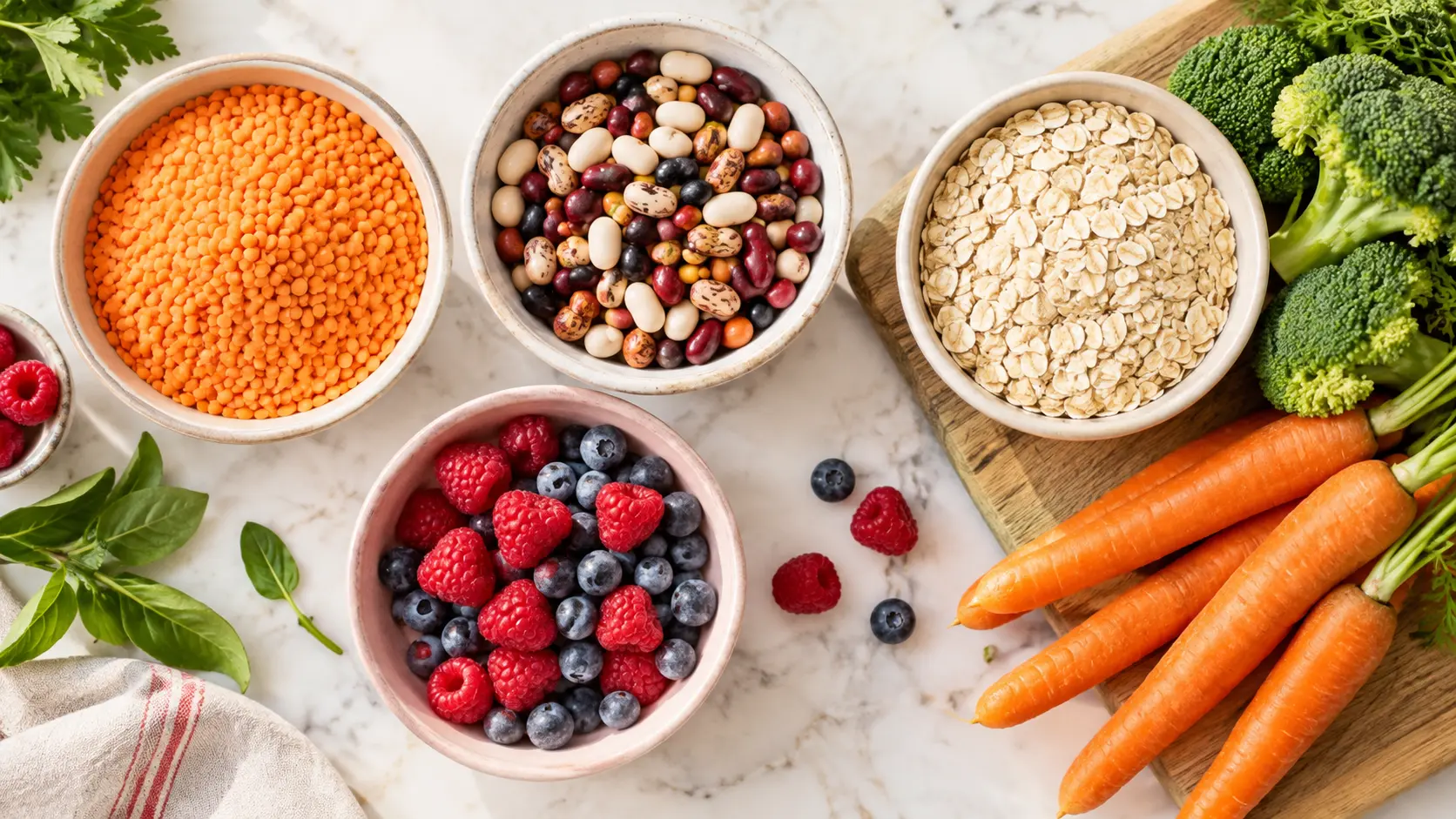
Yes. Lentils, beans, chickpeas, tofu and soy products, nuts and seeds all contribute. Eating a mix of them through the day, and including a source at each meal, makes it easier to reach your range.
Does the calculator save my weight?
No. Everything is worked out in your browser. Nothing you type is sent to us or stored.
This tool gives general information, not medical advice. Talk to a doctor or qualified professional about your personal needs.